
Safe, Supported and Seen
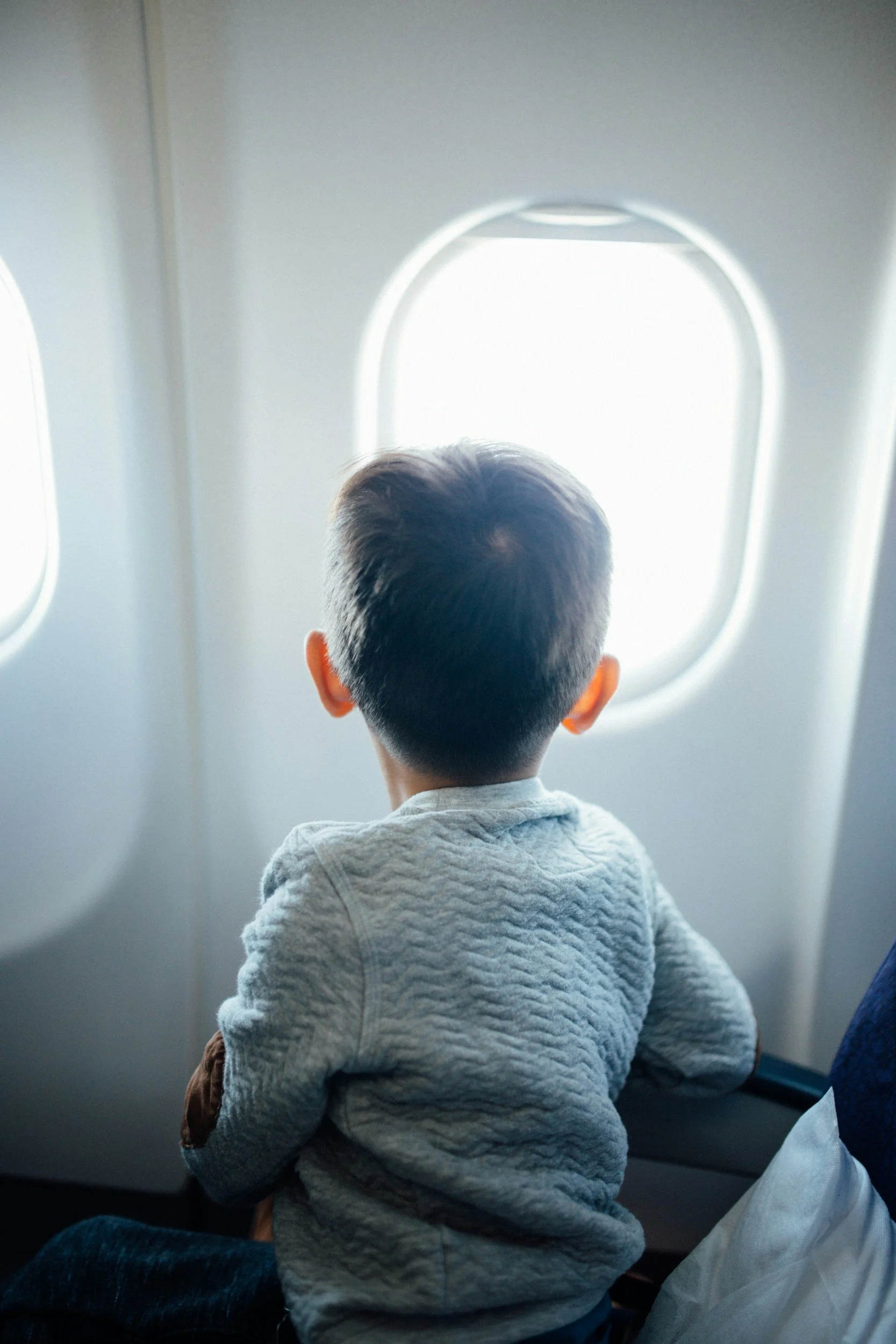
Autism is deeply close to my heart, and supporting families in experiencing the world with confidence and joy is something I care about profoundly.
I am a Certified Autism Travel Professional.
That means I have completed specialized training to better understand the unique needs of autistic travelers and their families, and I partner with destinations and suppliers who take accessibility and inclusion seriously.
My certification is through IBCCES, the International Board of Credentialing and Continuing Education Standards. IBCCES sets global standards for autism and sensory awareness training. They also vet and certify destinations, attractions, and properties that meet specific criteria for autism readiness. This includes staff training, sensory guides, clear communication practices, quiet spaces, and thoughtful accommodations that reduce stress and uncertainty.
Through IBCCES, families can also access the Autism Travel Directory, which highlights certified destinations and businesses that have met these standards.
But certification alone is not enough. What matters most is how your trip is designed.
As a Certified Autism Travel Professional, I take the time to understand the individual. Every autistic traveler is different. Some may be sensory seeking, others sensory sensitive. Some thrive on structure, others prefer flexibility. My role is to ask the right questions and thoughtfully curate a journey that supports comfort, joy, and confidence.
Autism-friendly travel can mean:
• Choosing hotels with quieter floors or low-stimulation environments
• Requesting pre-arrival room photos to reduce anxiety about the unknown
• Selecting airlines with pre-boarding options
• Planning itineraries with built-in downtime
• Avoiding overwhelming crowds and peak hours
• Securing sensory guides for theme parks and attractions
• Identifying destinations with trained staff and clear visual supports
• Creating visual schedules or simple day-by-day outlines
It can also mean picking the right type of destination altogether. Some families do best in all-inclusive resorts where logistics are simple. Others prefer villa stays for privacy and routine. Some children flourish in nature-based trips with wide open spaces and wildlife. There is no one-size-fits-all solution.
My goal is to remove the stress from the planning process and replace it with clarity and confidence. Travel should feel empowering, not overwhelming.
If you are a parent, sibling, partner, or caregiver of someone with autism, here are a few tips as you think about travel:
• Prepare early and talk through what to expect
• Use photos and videos of hotels or destinations in advance
• Build in extra time for transitions
• Do not overschedule
• Advocate clearly and confidently for accommodations
• Remember that flexibility is your superpower
Most importantly, know that meaningful travel is absolutely possible. With the right preparation and the right support, the world can open up in beautiful ways.
If you would like guidance tailored specifically to your family, I would be honored to help design a journey that truly works for you.