
POLAR EXPEDITIONS
At the edges of the map - Antarctica & the Arctic
Journeys shaped by ice, wildlife, weather and the freedom to follow what the day reveals.
71° 18′ S ANTARCTIC PENINSULA
POLES APART, LITERALLY
Similar latitudes.
Entirely different journeys.
Polar travel is often spoken about as though Antarctica and the Arctic are variations of the same experience. They are not.
Antarctica is a continent surrounded by ocean, vast and uninhabited, where penguin colonies, ice and weather dominate the journey. The Arctic is an ocean surrounded by continents, with polar bears, tundra, fjords and living northern communities. Each rewards curiosity, patience and a willingness to let conditions lead.
ANTARCTICA / THE ARCTIC
The two poles, side by side
A continent surrounded by ocean
Penguins, whales and seals
No permanent population
Towering ice and remote islands
Gateways in southern South America
Season: November - March
SOUTH
Antarctica
An ocean surrounded by continents
Polar bears, walrus and Arctic foxes
Living Indigenous communities
Tundra, fjords and sea ice
Gateways across Europe & North America
Season: May - September
NORTH
The Arctic
Polar journeys worth considering
No two routes tell the same story. The destination, season and reach of the ship shape everything that follows.
| Region | Typical Duration | Character of the Journey | Especially Strong For |
|---|---|---|---|
| Antarctic Peninsula | 10–13 days | The classic ship-based introduction to Antarctica, usually sailing across the Drake Passage from Ushuaia. | First visits, penguins, sculpted ice, Zodiac exploration and optional adventure activities. |
| South Georgia, Falklands & Antarctica | 18–23 days | A longer, wildlife-intensive voyage combining remote islands, open-ocean sailing and Antarctica. | King penguin colonies, elephant seals, photography and polar exploration history. |
| Weddell Sea | 12–16 days | An ice-driven and less predictable journey along the eastern side of the Antarctic Peninsula. | Vast tabular icebergs, sea ice, remote landings and expedition history. |
| Ross Sea | 28–35 days | An exceptionally remote, long-range expedition to one of Antarctica’s least-visited regions. | Historic expedition huts, immense ice shelves, rarely visited sites and true remoteness. |
| Svalbard | 8–14 days | A flexible Arctic wildlife voyage shaped by sea ice, weather and animal movements. | Polar bears, walrus, Arctic foxes, seabird colonies and dramatic fjords. |
| Greenland | 8–17 days | A combination of immense fjords, icebergs, hiking and visits to colorful coastal communities. | Arctic landscapes, Inuit culture, coastal settlements and active exploration. |
| Canadian High Arctic | 12–17 days | A remote journey through tundra, historic waterways and community-rich Arctic coastlines. | The Northwest Passage, Inuit culture, exploration history, polar bears, musk oxen and marine wildlife. |
These are broad planning ranges. Exact journey lengths, routes and landings vary by operator, season, gateway and local conditions.
A FIRST ENCOUNTER WITH THE WHITE CONTINENT
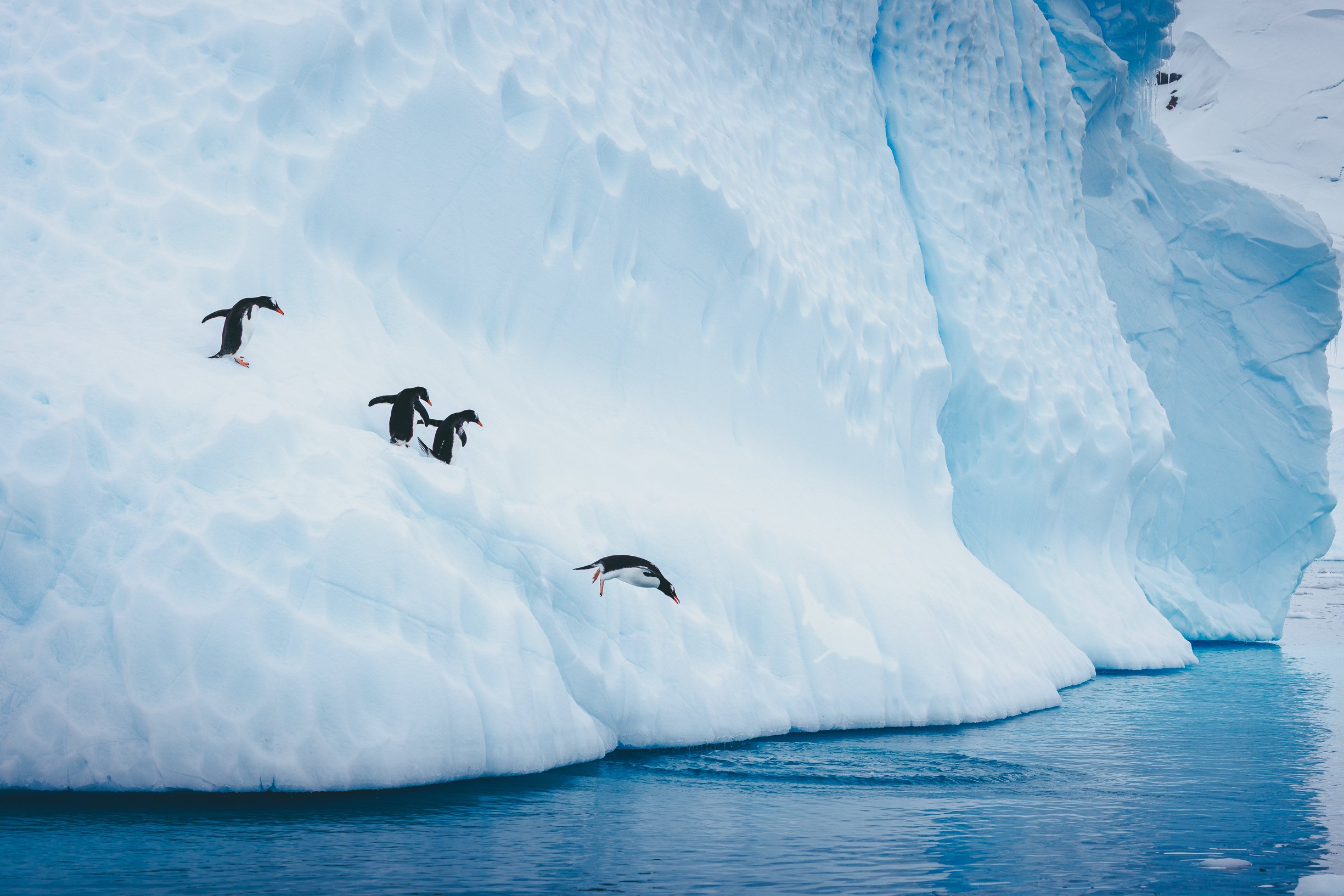
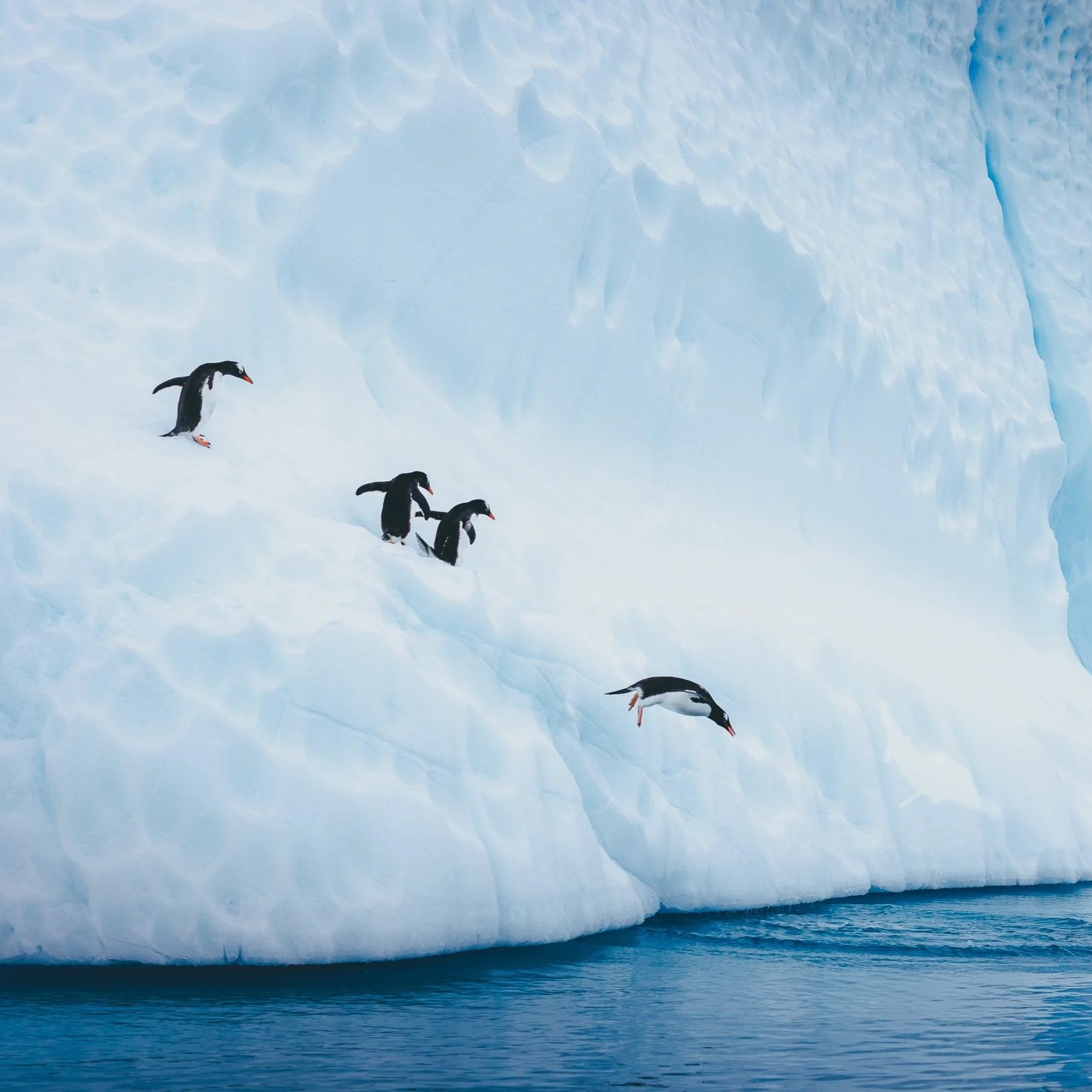
The Antarctic Peninsula
The most accessible introduction to Antarctica, where sculpted ice, mountain-lined channels and penguin colonies fill days of Zodiac cruising and shore landings. Most voyages cross the Drake Passage in both directions; selected fly-cruise itineraries replace one or both crossings with a weather-dependent flight.
THE SIGNATURE EXPERIENCE
The most accessible place to step onto the Antarctic continent and experience penguin colonies, immense glaciers, sculpted icebergs and Zodiac exploration within one journey. Narrow, mountain-lined passages such as the Lemaire Channel create some of Antarctica’s most recognizable scenery.
PARTICULARLY SUITED TO
First-time visitors, photographers and active travelers interested in kayaking, camping or snowshoeing.
OPERATORS WORTH CONSIDERING
Quark, Lindblad, Aurora, Silversea, Seabourn, Ponant and HX
THE GREAT WILDLIFE JOURNEY
South Georgia & the Falklands
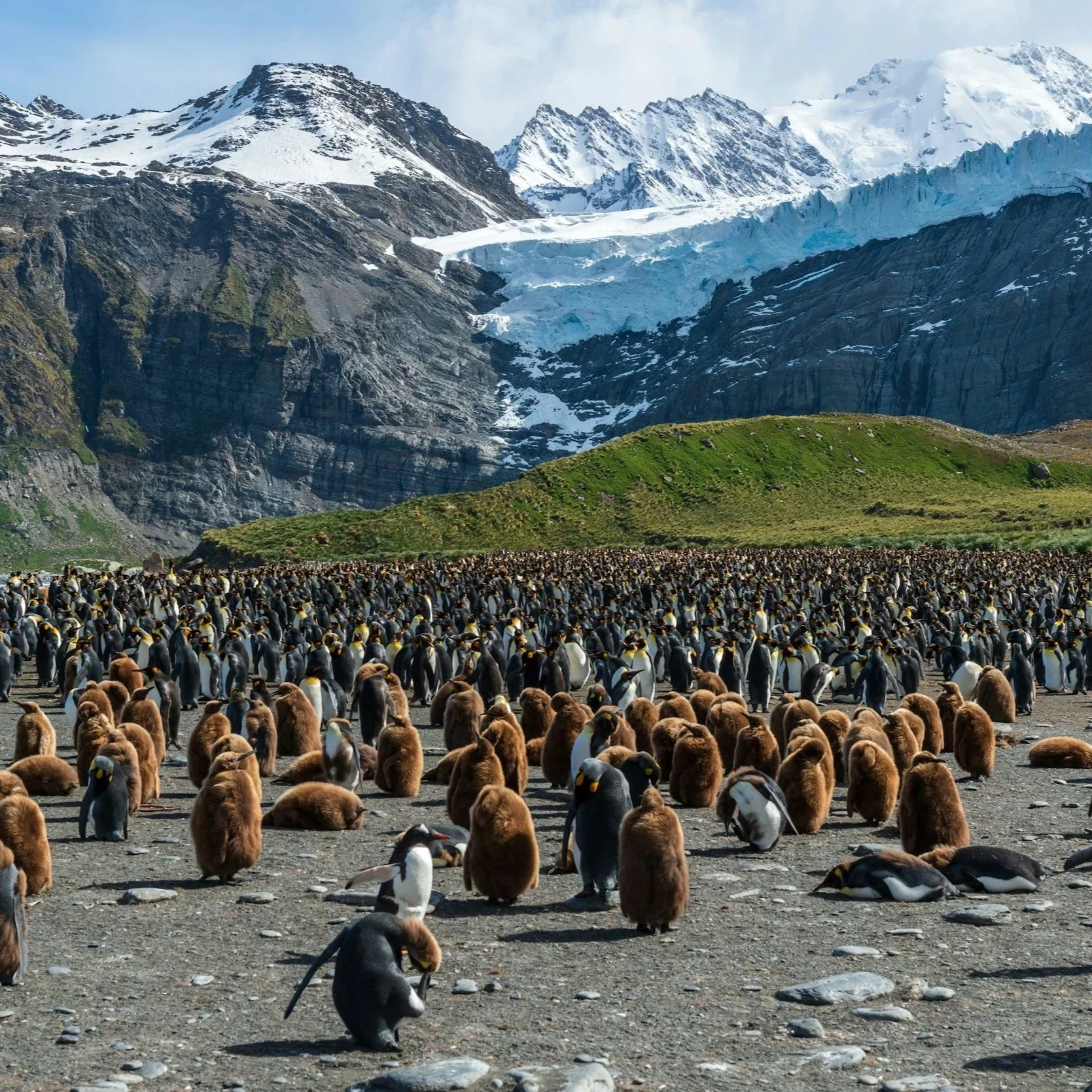
A longer Southern Ocean journey with immense king penguin colonies, elephant seals, seabirds and dramatically beautiful, mountain-backed shores. Most routes combine the Falklands and South Georgia with the Antarctic Peninsula. The longer journey brings extraordinary wildlife concentrations and requires several sea days.
THE SIGNATURE EXPERIENCE
South Georgia’s enormous king penguin colonies can fill entire beaches and valleys, often alongside elephant seals and fur seals. Few places on Earth offer wildlife encounters on this scale against such dramatic mountains and glaciers.
PARTICULARLY SUITED TO
Serious wildlife enthusiasts, photographers and travelers able to give the journey three weeks.
OPERATORS WORTH CONSIDERING
Quark, Lindblad, Silversea, Seabourn, Aurora and Ponant
ANTARCTICA SHAPED BY ICE
Weddell Sea & Antarctic Sound
Specialized routes devote considerably more time to the ice-filled eastern side of the Antarctic Peninsula, with vast tabular icebergs, historic sites and a powerful sense of exploration. These are Weddell-focused rather than Weddell-only voyages. Sea ice determines how far a ship can travel, and itineraries may also include the South Shetland Islands, Antarctic Sound or the western Peninsula.
THE SIGNATURE EXPERIENCE
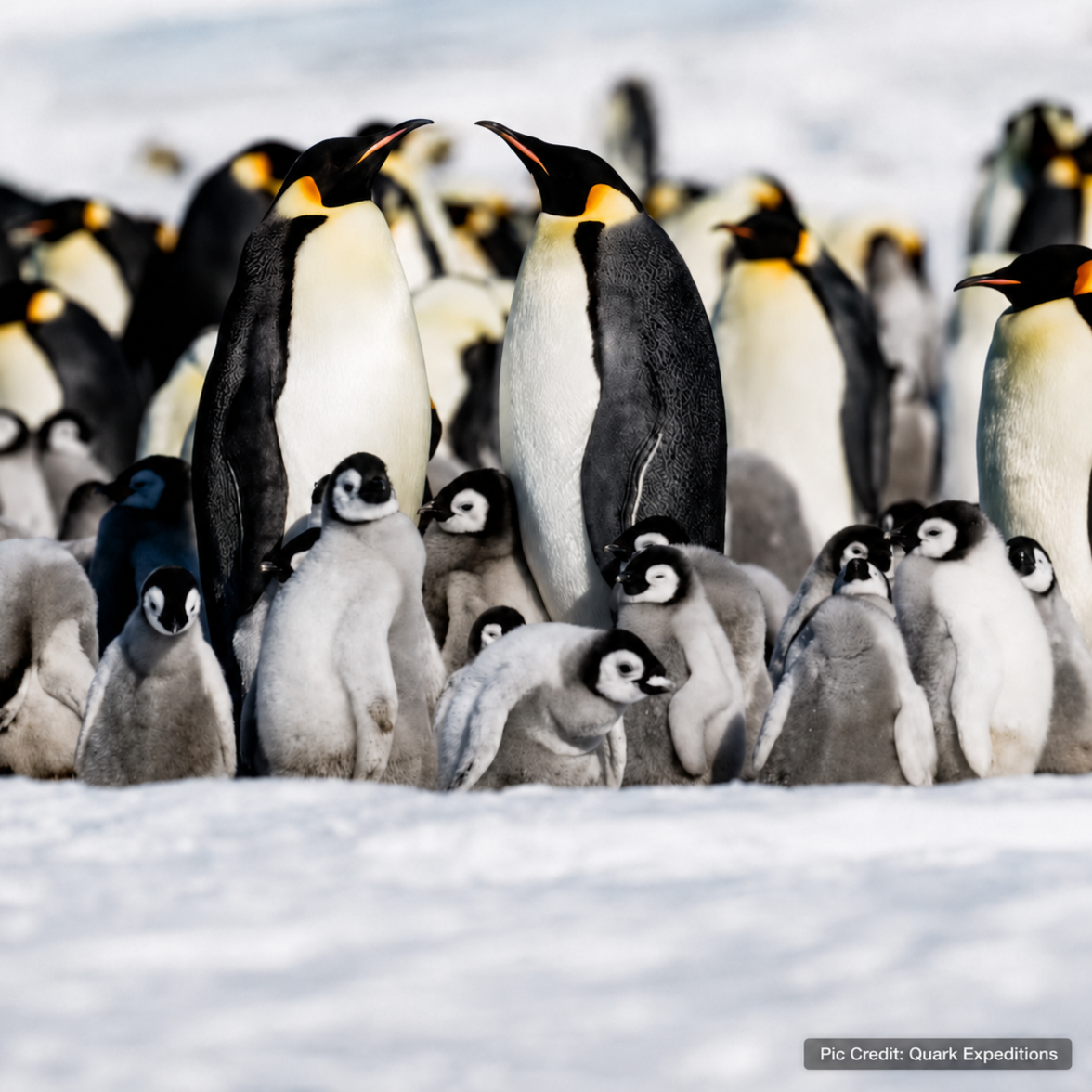
Vast sea ice and colossal, flat-topped tabular icebergs define this region. A small number of specialized departures attempt to reach Snow Hill Island’s emperor penguin colony, one of expedition travel’s rarest wildlife experiences.
PARTICULARLY SUITED TO
Return visitors, ice enthusiasts and travelers comfortable with a highly flexible route.
OPERATORS WORTH CONSIDERING
Oceanwide, Quark, Aurora, Ponant and selected specialist sailings
FARTHER, LONGER, RARER
Ross Sea & East Antarctica
Long, remote expeditions center on the Ross Sea region, where historic huts, enormous ice shelves and rarely visited coastlines reward the significant time commitment. These journeys are centered on the Ross Sea rather than confined to it. Long Southern Ocean passages often include Macquarie Island or New Zealand’s Subantarctic Islands before reaching the Ross Ice Shelf and historic expedition huts.
THE SIGNATURE EXPERIENCE
Remarkably preserved huts from the Heroic Age, Mount Erebus, the Ross Ice Shelf and dark volcanic landscapes give this region a visual and historical identity entirely different from the Antarctic Peninsula.
PARTICULARLY SUITED TO
Experienced expedition travelers, polar-history enthusiasts and those drawn to genuine remoteness.
OPERATORS WORTH CONSIDERING
Heritage Expeditions, Aurora, Scenic and Ponant.
WILDLIFE AT THE EDGE OF THE SEA ICE
Svalbard
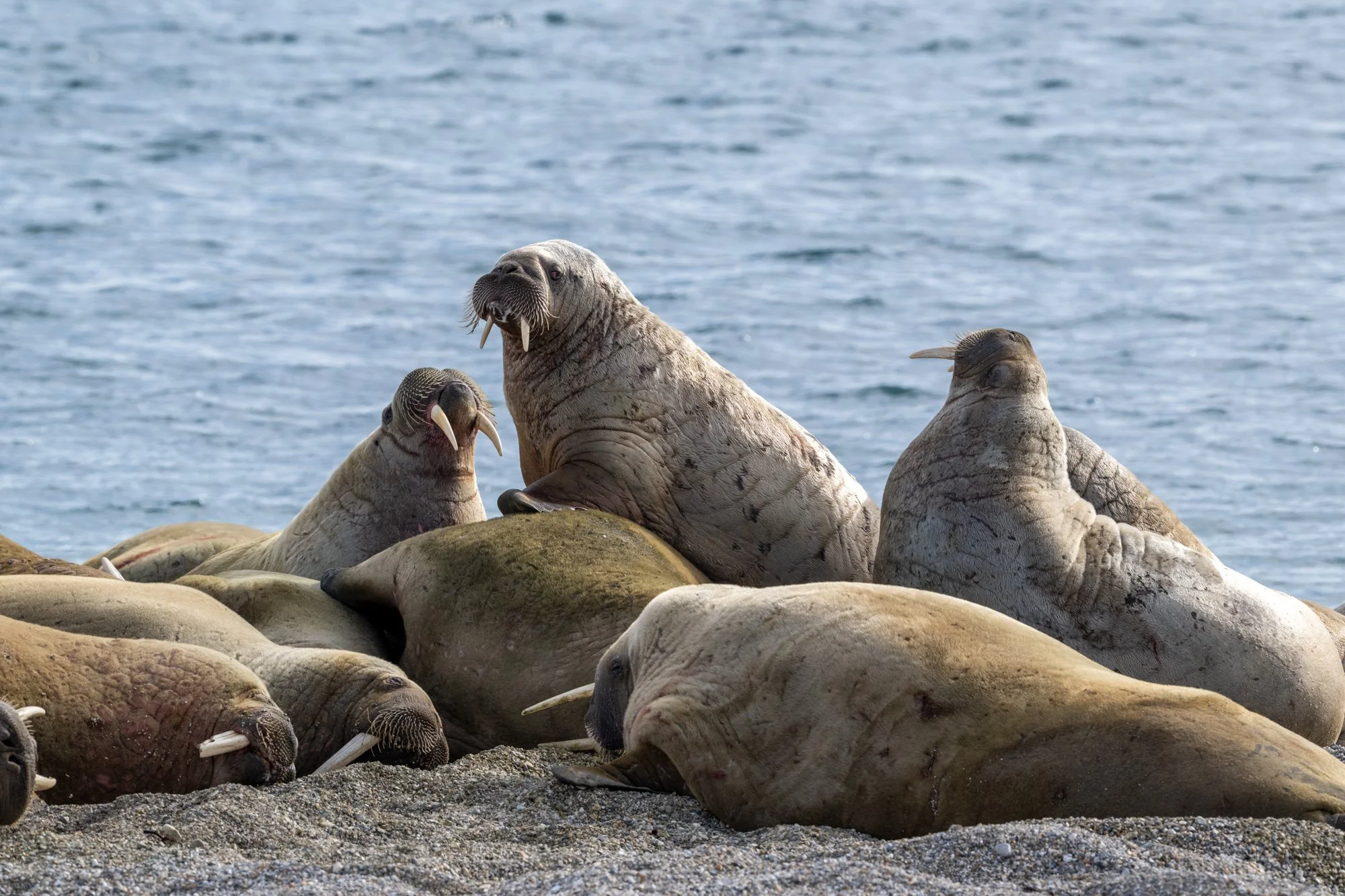
Ships follow fjords, pack ice and remote coastlines in search of polar bears, walrus, Arctic foxes and immense seabird colonies. Polar bears are a major draw, alongside walrus, Arctic foxes, reindeer and seabird cliffs, but sightings are never guaranteed. Longer routes may attempt a circumnavigation when ice allows.
THE SIGNATURE EXPERIENCE
Few places offer a better opportunity to search for polar bears and walruses from an expedition ship while navigating fjords and the edge of the sea ice. Arctic foxes, reindeer and immense seabird cliffs add to the archipelago’s extraordinary wildlife density.
PARTICULARLY SUITED TO
Wildlife lovers, photographers and first-time Arctic travelers who enjoy an adaptable daily plan.
OPERATORS WORTH CONSIDERING
Quark, Lindblad, Aurora, Silversea, Ponant, HX and Oceanwide
ICE, FJORDS AND LIVING CULTURE
Greenland
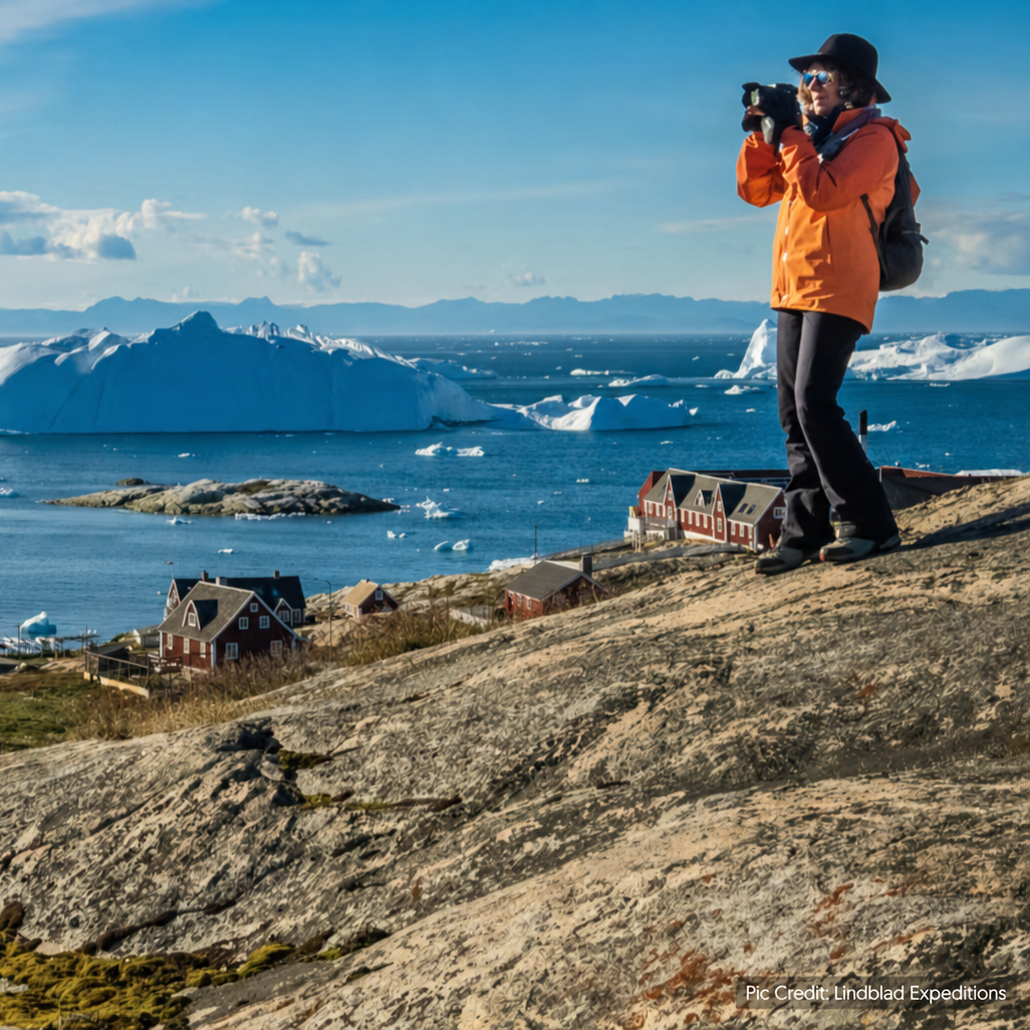
Immense fjords and luminous icebergs meet colorful settlements and Inuit culture, creating a polar journey grounded in both landscape and human story. West Greenland is comparatively accessible; East Greenland feels wilder and more isolated. Hiking, Zodiac exploration and community visits often share the itinerary.
THE SIGNATURE EXPERIENCE
Greenland brings immense iceberg-filled fjords and the Greenland Ice Sheet together with living Inuit communities and colorful coastal settlements. Around Ilulissat, towering icebergs from one of the world’s most active glacial systems drift close to contemporary Greenlandic life.
PARTICULARLY SUITED TO
Travelers interested in dramatic scenery, culture and active shore exploration as much as wildlife.
OPERATORS WORTH CONSIDERING
Quark, Lindblad, HX, Ponant, Silversea, Aurora
TUNDRAS AND REMOTE ISLANDS
The Canadian High Arctic
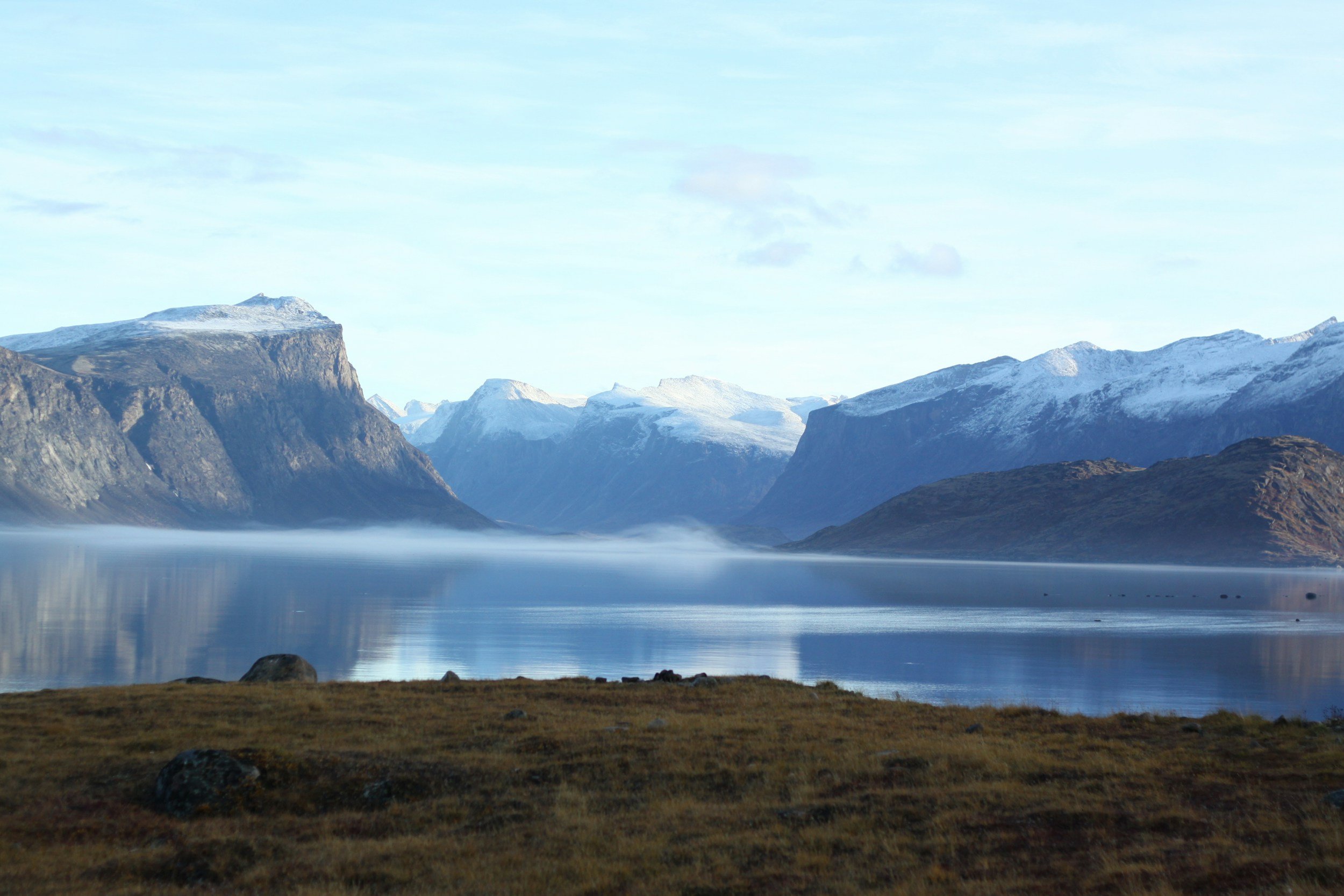
Expeditions through the Northwest Passage combine wildlife, Arctic history, tundra landscapes and visits to northern communities. Routes vary widely, from Baffin Island and Hudson Bay to longer Northwest Passage itineraries. Wildlife possibilities depend strongly on place and season.
THE SIGNATURE EXPERIENCE
Arctic wildlife, Inuit homelands and the history of the Northwest Passage meet across this vast archipelago. Voyages may connect community visits and Franklin expedition sites with opportunities to search for narwhal, beluga, bowhead whales, polar bears and musk oxen.
PARTICULARLY SUITED TO
Travelers drawn to Arctic culture, history, tundra landscapes and less-traveled waterways.
OPERATORS WORTH CONSIDERING
Lindblad, Quark, Ponant, Silversea and HX
THE EXPERIENCE
What does a day on a polar expedition actually feel like?
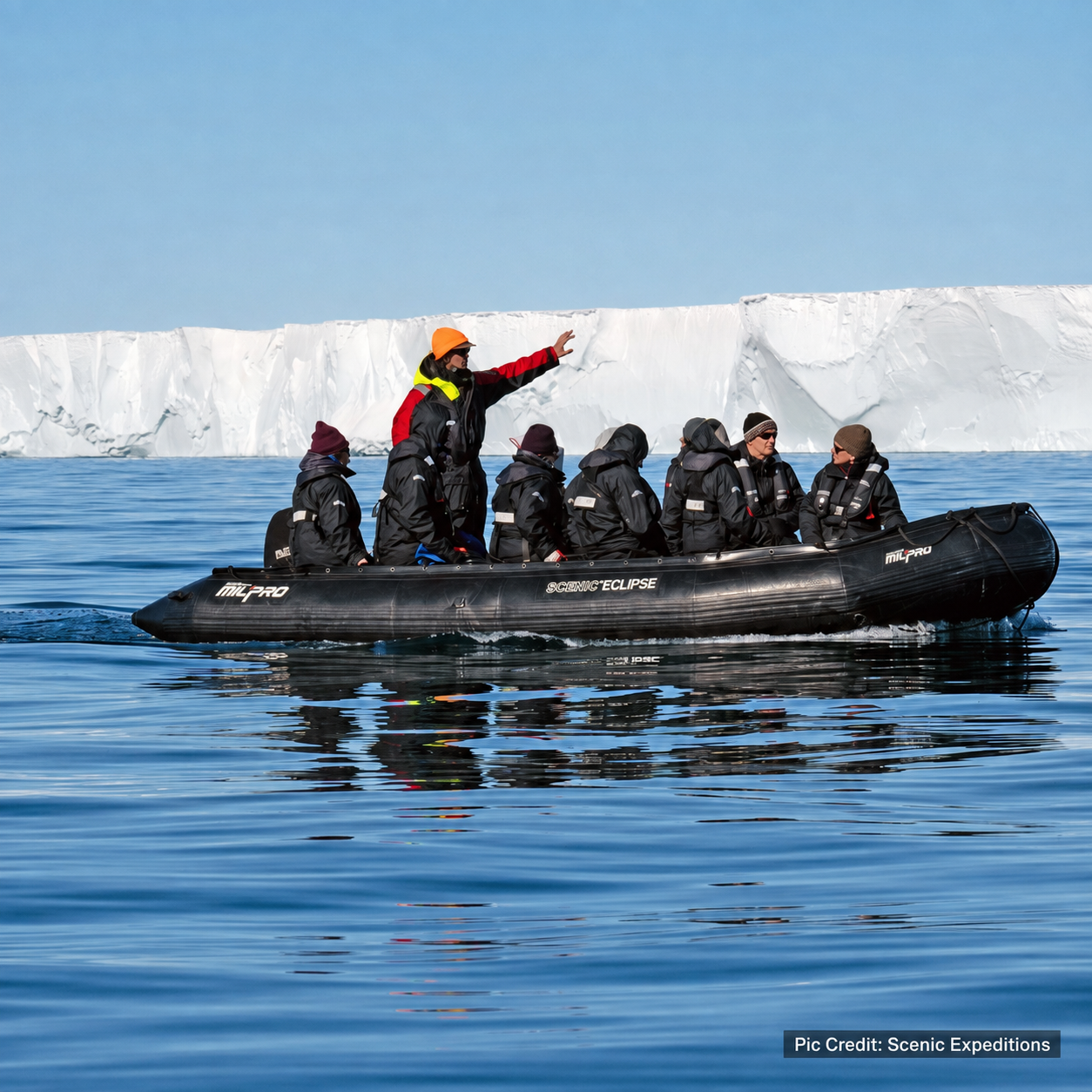
There is no truly typical day in the polar regions, but most have a rhythm. The plan is shaped around two opportunities to explore, with time onboard to warm up, learn and watch the landscape change around you.
The most memorable moments are often unscheduled: the crack of a glacier across the water, a penguin approaching while you stand still, or the quiet realization that the landscape has transformed overnight.
01 EARLY MORNING - Wake up to the expedition call
The expedition leader’s announcement brings the first look at the weather, the surroundings and what conditions may allow. Outside your window, the scene may be entirely different from the night before.
02 MORNING - Head ashore or into the ice
After breakfast, you may board a Zodiac for a wildlife cruise, step onto a beach alive with penguins or hike to a viewpoint with a naturalist or historian.
03 MIDDAY - Return, refuel and keep watch
Lunch and a little time onboard offer a chance to warm up, swap stories and scan the water from the deck. In polar regions, even the time between outings can bring a whale, bird or extraordinary piece of ice into view.
04 AFTERNOON - Go out again
A second landing or Zodiac cruise often reveals a completely different landscape, activity or wildlife encounter. Some ships may also offer kayaking, snowshoeing or another optional adventure.
05 EVENING - Recap, dinner and one more look outside
The expedition team shares what you saw and what tomorrow may hold. Plans remain flexible, and a whale sighting or a sudden change in light may send everyone back to the deck.
TRAVEL WITH CARE
Visiting the polar regions responsibly
Entering the polar regions is a privilege. Traveling well means protecting wildlife and fragile landing sites, preventing contamination and recognizing that the Arctic is also home to living communities.
AN ANTARCTIC AMBASSADOR’S PERSPECTIVE
Thoughtful preparation is part of the expedition. The strongest journeys leave travelers with a deeper understanding of the landscapes, science, wildlife and communities they have been invited to encounter.
01 Give wildlife space
Observe quietly, follow the expedition team’s guidance and allow animals to choose whether they move closer or away.
02 Keep landing sites protected
Boots, clothing and equipment are cleaned before and after landings so seeds, soil and microorganisms are not carried between sites. Choose an operator that treats biosecurity as more than a formality.
03 Respect living cultures
In the Arctic, community visits should follow local protocols, support local economies and represent Indigenous cultures as contemporary and evolving.
04 Reduce waste and resource use
Bring reusable essentials, avoid single-use plastics, conserve water and energy on board, and ensure every piece of waste returns with you. Even small choices matter in remote regions where resources are limited and waste is difficult to manage.
DIVE DEEPER INTO ANTARCTICA
Antarctica Journal
How to Choose Your Antarctica Expedition
How Much Does It Cost To Visit Antarctica?
Quark Ultramarine - Trip Review
Which edge of the map is calling you?
Tell me what you hope to see, how active you want to be and how you like to travel. We can begin with the possibilities.